Search engine optimization has always carried a shadow layer of tactics that sit between legitimacy and experimentation. Among these, publishing content on third-party platforms to generate authority signals remains one of the most persistent strategies in the game. While trends shift and algorithms harden, this approach still lingers in the toolkit of many digital marketers who understand how link ecosystems actually form.
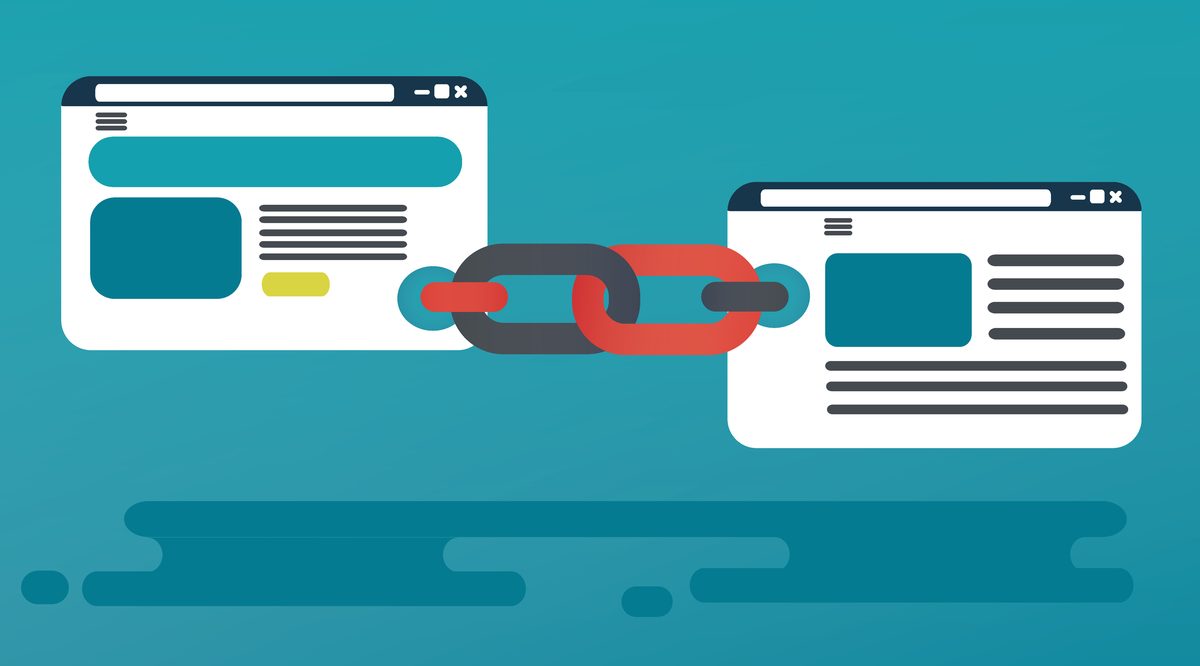
At its core, this method involves constructing mini content hubs on external platforms and weaving hyperlinks back to a primary website. The effectiveness depends less on quantity and more on how convincingly each piece of content mimics real editorial publishing.
Why This Strategy Refuses to Disappear
Search engines continue to crawl high-authority publishing domains at remarkable speed. That means fresh content placed on trusted platforms often gets indexed quickly, sometimes even faster than newly launched websites.
However, the landscape has changed. Thin pages stuffed with repetitive anchors no longer hold value. Instead, algorithms now favor contextual depth, semantic relevance, and behavioral signals such as engagement and dwell time.
This shift forces a more refined execution style—less automation, more intentional writing.
The Safe Way to Build These Links Without Raising Flags
The safest approach begins with treating every external platform like a legitimate media property rather than a dumping ground for links.
Start setting up a complete profile: branded name, consistent avatar, and a bio that aligns with your niche identity. This establishes initial credibility signals.
Next, publish several standalone articles that provide informational value without any outbound links. These early posts act as trust scaffolding, signaling activity and relevance.
Only after that foundation is built should outbound links be introduced. Even then, they must be placed sparingly and embedded naturally within meaningful sentences. Overloading a page with links creates an artificial footprint that can weaken performance rather than strengthen it.
Anchor variation also matters. Repeating identical phrasing across multiple properties creates predictable patterns that modern algorithms can easily interpret as manipulation.
High-Authority Platforms Worth Leveraging
The following publishing ecosystems remain widely used due to their authority strength and indexing reliability:
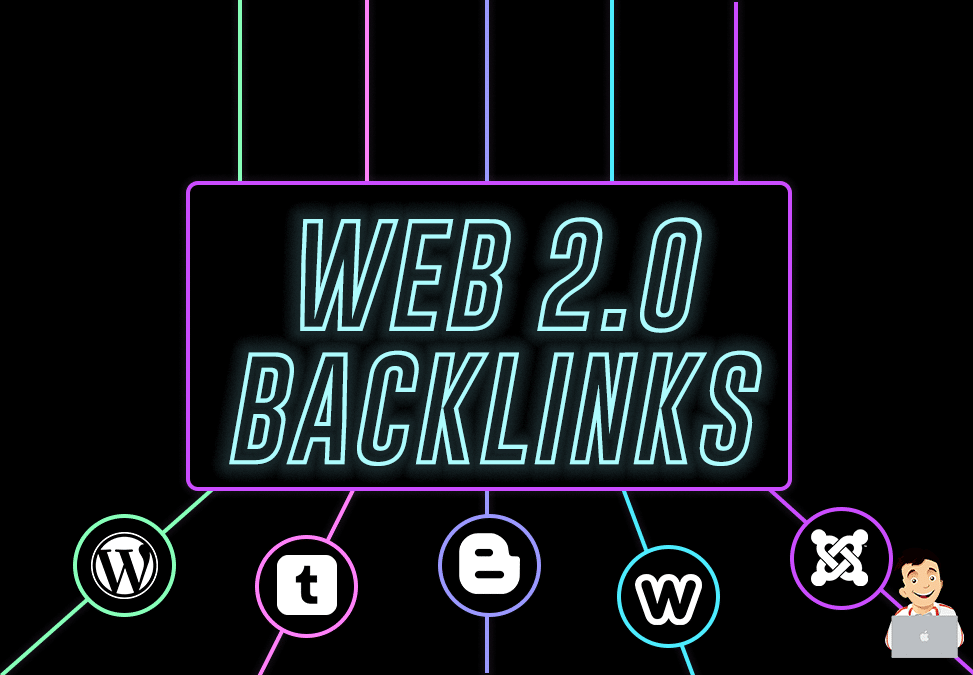
- .com – Strong structural blogging system with excellent crawl frequency
- Blogger (Blogspot) – Google-owned infrastructure with fast indexing behavior
- Medium – High visibility and strong domain trust for long-form publishing
- Tumblr – Lightweight posting system with multimedia flexibility
- Weebly – Simple site builder with decent authority signals
- Wix – Flexible design control and integrated blog functionality
- Substack – letter-driven ecosystem with strong engagement loops
Each of these platforms should be treated like a miniature brand extension rather than a disposable content slot.
Realistic Example of a Proper Setup
Imagine publishing a detailed article on Medium about organic content distribution. Within that article, you reference a deeper technical guide hosted on your main website. The link is embedded inside a sentence discussing advanced growth frameworks, making it feel like a natural continuation of the idea rather than an external insertion.
That contextual placement is what separates meaningful execution from low-value link dumping.
A Practical Illustration
A marketer building a niche site might create a Blogger post analyzing SEO trends. Inside the article, they reference a deeper breakdown of authority-building systems on their primary domain. The surrounding content discusses strategy evolution, and the link appears as a supporting citation rather than a promotional interruption.
This is where web 2.0 backlinks show their subtle function in modern SEO workflows.
Are These Links Still Worth It?
Their role today is more supportive than transformative. They rarely act as direct ranking boosters in competitive niches, but they still provide auxiliary benefits. To prove that web 2.0 backlinks are worth it you must see this guide: https://rankersparadise.com/how-to-use-web-2-0-sites-for-backlinks/.
They can accelerate indexing for new pages, especially when search engines discover links from frequently crawled domains. They also contribute to backlink profile diversity, which helps create a more natural-looking authority footprint.
Additionally, they can reinforce topical relevance when the surrounding content aligns closely with the target subject matter.
However, they fall short compared to editorial backlinks from authoritative publications or organically earned citations. On their own, they are not enough to dominate search results in competitive environments.
Final Perspective
When used with restraint and structure, the method functions more like digital scaffolding than a standalone ranking engine. It supports visibility, assists discovery, and adds contextual layering—but it does not replace high-quality content or genuine authority-building efforts.
Modern SEO rewards ecosystems, not shortcuts. And while this tactic still has a place in that ecosystem, its power now depends entirely on how intelligently it is deployed.