In the ever-evolving world of digital marketing, staying ahead of the SEO curve requires more than just sporadic blog posts and social media updates. One tactic that continues to spark debate yet remains potent is building backlinks, particularly through Web 2.0 platforms. If wielded wisely, these backlinks can elevate your website’s authority without triggering Google’s wrath.
What Are Web 2.0 Backlinks?
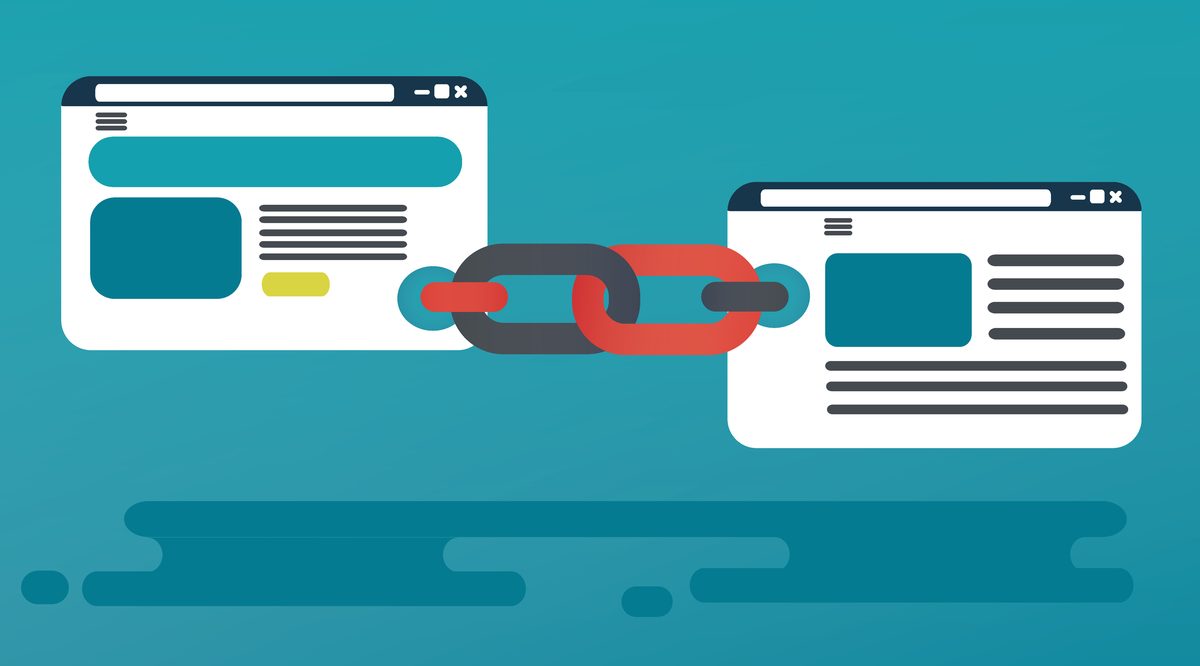
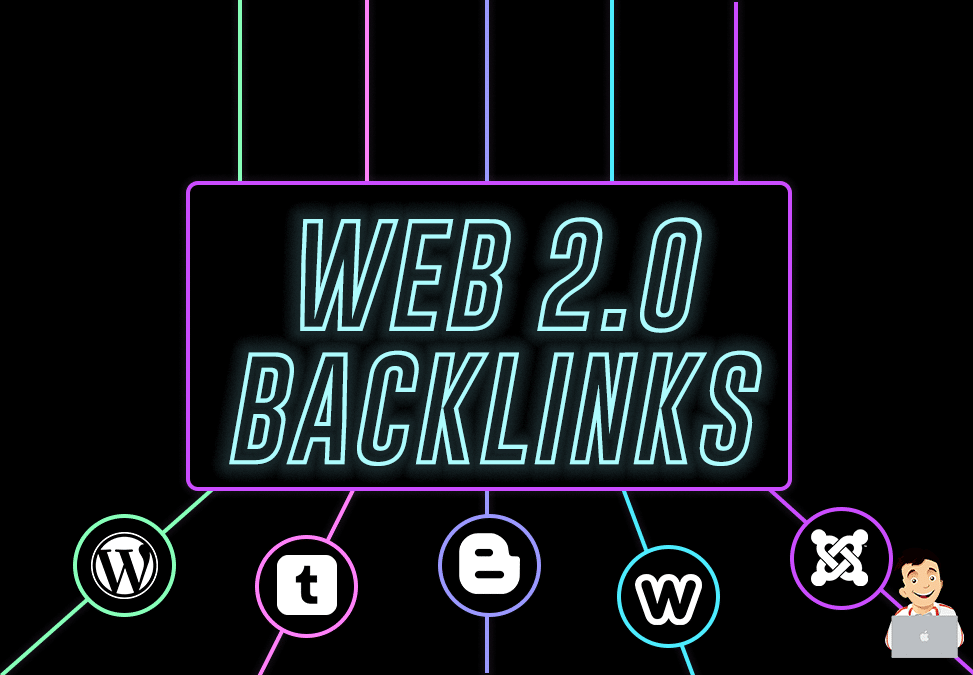
Web 2.0 backlinks are links created on user-generated platforms where you can publish content and include a link back to your website. Unlike traditional backlinks, these often come with the ability to control the context, anchor text, and overall surrounding content, allowing for highly targeted linking strategies. Imagine planting a seed in fertile soil and nurturing it to bear fruit; that’s essentially what a Web 2.0 backlink does for your SEO profile.
An example of a Web 2.0 backlink could be a blog post on Medium, where within an insightful article about digital marketing trends, you naturally reference your own website with a contextual link.
Best Platforms to Secure High-Authority Web 2.0 Backlinks
When venturing into Web 2.0 backlink building, the platform you choose significantly influences the link’s value. High domain authority sites offer more credibility and a better chance to climb search engine rankings. Some notable platforms include:
- Medium – A highly authoritative site where content can gain traction quickly.
- .com – Offers customizable blogs with strong domain authority.
- Blogger – Google’s native platform, which ensures strong indexing.
- Tumblr – A unique microblogging platform ideal for creative content.
- Weebly – Great for constructing mini-sites and blogs for niche backlinks.
- Wix – Although primarily a site builder, its blogs can provide valuable links.
How to Build Web 2.0 Backlinks the Safe Way
Creating backlinks recklessly can spell disaster. To protect your site and harness the true power of Web 2.0 backlinks, follow these proven steps:
- Research Your Niche Thoroughly – Identify platforms where your audience frequents and topics that resonate with them.
- Craft Unique Content – Avoid spinning or duplicating articles. Originality ensures your backlinks appear natural.
- Contextual Linking – Place links within informative content rather than footers or sidebars.
- Diversify Anchor Texts – Use varied phrases instead of repeatedly inserting your main keywords.
- Post Consistently – Treat Web 2.0 blogs as living entities. Regular updates amplify authority.
- Engage With the Community – Comment, share, and interact. Platforms value active contributors.
Are Web 2.0 Backlinks Worth It Today?
The short answer: yes, if executed judiciously. While the era of mass-produced low-quality Web 2.0 backlinks has ended, high-quality, niche-focused links can still improve domain authority, drive referral traffic, and support other link-building strategies. When combined with natural outreach, guest posts, and social signals, Web 2.0 backlinks serve as a reliable pillar in a diversified SEO campaign.
In conclusion, weaving a tapestry of authoritative Web 2.0 backlinks can subtly elevate your website without raising red flags from search engines. By emphasizing originality, thoughtful placement, and quality platforms, you can transform what was once considered a “black-hat” tactic into a safe, strategic component of modern SEO.