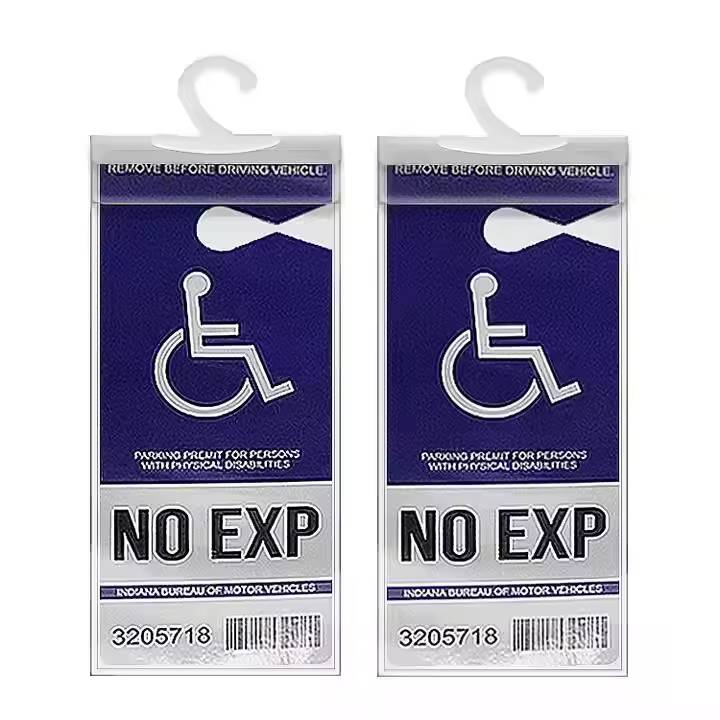
For many Hoosiers with mobility challenges, finding a convenient parking spot can feel like navigating a maze with no map. Fortunately, Indiana offers a practical solution that removes one everyday hurdle—but only if you know how to approach it correctly.
This article uncovers insider strategies, practical tips, and step--step guidance to help you secure a handicap placard efficiently, reducing stress and saving valuable time.
Why a Handicap Placard Changes the Daily Grind
Accessible parking isn’t merely about proximity; it’s a tool that safeguards energy, reduces risk, and makes daily routines smoother. Placards grant access to spaces with wider lanes, safer exits, and locations near entrances. Indiana provides both temporary and permanent options depending on your medical needs.
Who Qualifies in Indiana?
Eligibility revolves around functional limitations rather than diagnoses alone. You may be approved if you:
- Cannot walk 200 feet without stopping
- Use mobility aids like a wheelchair, cane, or walker
- Have significant heart, lung, or neurological conditions
- Meet the state’s visual impairment requirements
A licensed medical professional must certify your mobility restrictions to ensure the application is valid.
Preparing Before You Apply
Preparation prevents delays and frustration. Collect these essentials:
- State Form 42070, fully completed
- Valid Indiana ID
- Medical certification signed an approved provider
Even small omissions, like missing signatures or incomplete sections, can stall the process for weeks.
Navigating Submission Without Headaches
Once all documents are in order, submit your application via mail or directly at a local BMV branch. Permanent placards are issued at no cost, while temporary ones require a nominal fee based on duration.
Remember: the placard belongs to the person, not the vehicle. This means it can legally be used in any car you ride in, as long as you are present.
Usage Tips to Avoid Penalties
- Track expiration dates to stay compliant
- Keep the placard clearly visible while parked
- Remove it when driving to maintain proper visibility
- Do not allow others to use it in your absence
Violating these rules can lead to fines or revocation, even if you’re fully eligible.
One Key Insight Most People Miss
The Indiana DMV handicap placard isn’t just a formality—it’s a practical tool that simplifies mobility and reduces stress. Approaching the process methodically ensures smoother approval and longer-term convenience.
Final Thought
Daily mobility challenges already consume energy and focus. By understanding eligibility, preparing documentation meticulously, and following the rules, you can secure a placard that genuinely improves your quality of life. Indiana’s system is designed to help, and when you approach it smartly, the process is far easier than most expect.